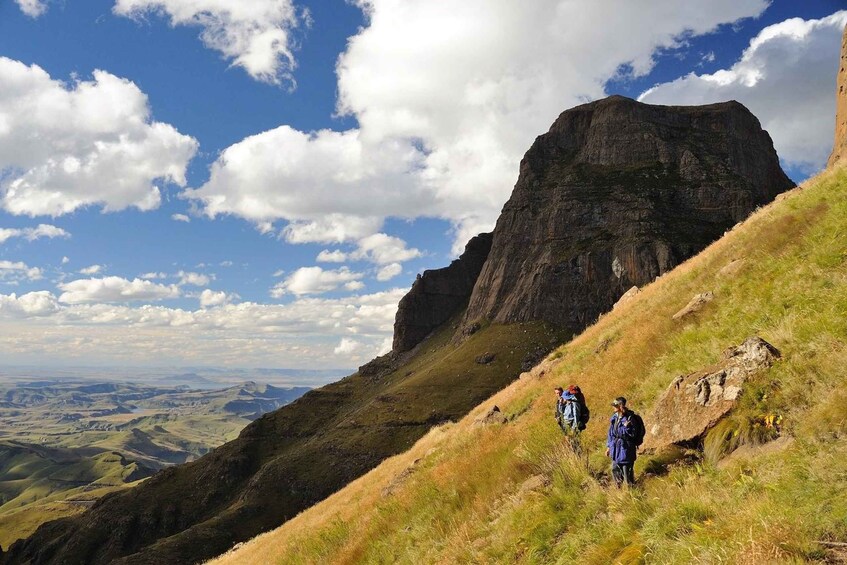
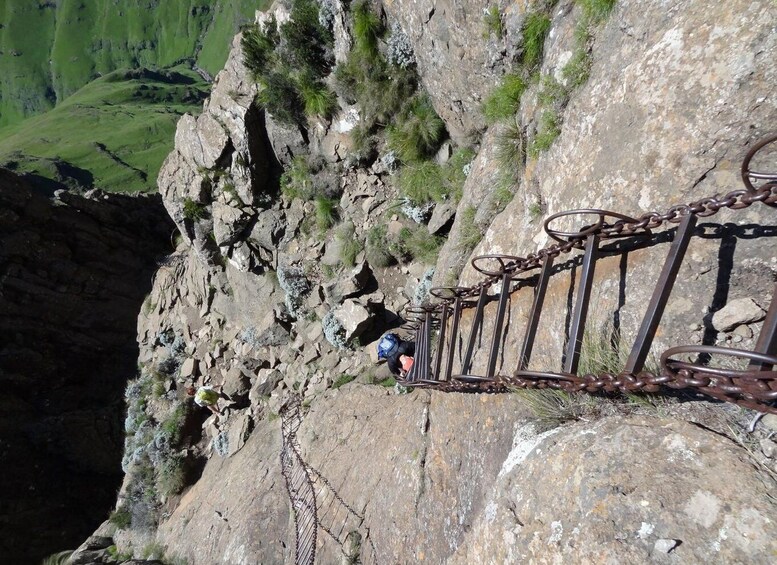
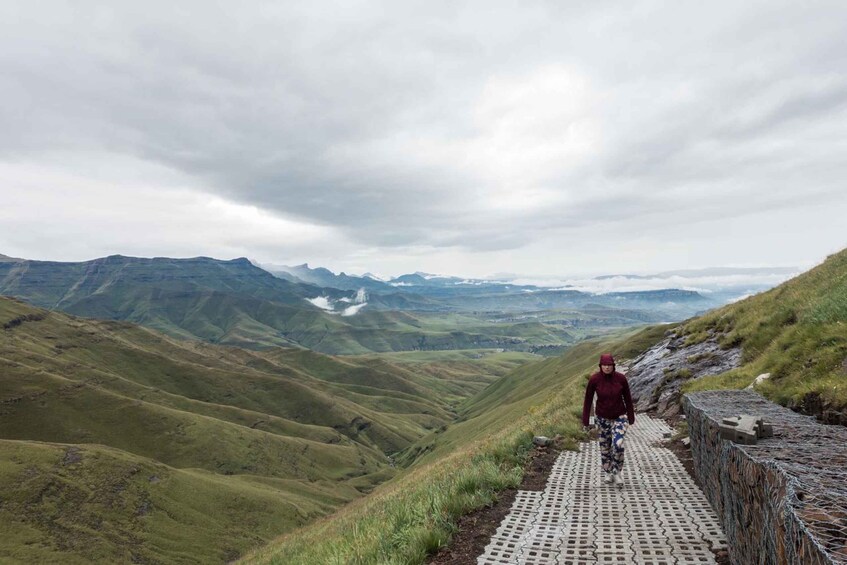
A sustainable and responsible 2-day tour to the majestic Drakensberg from Durban offers an immersive journey into one of South Africa’s most treasured natural landscapes while prioritising environmental stewardship and community respect. The day begins with an early departure in a fuel-efficient vehicle operated by a local guide, reducing carbon impact through small-group travel and optimised routing. As you leave the subtropical coastline and travel inland towards the UNESCO-listed uKhahlamba-Drakensberg Park, your guide shares insights into the region’s biodiversity, geology, and cultural heritage, fostering appreciation for the area’s ecological and historical significance. Upon arrival, the hiking experience is carefully selected according to fitness levels and weather conditions, often along well-maintained trails that minimise erosion and protect fragile alpine vegetation. Hikes may lead to cascading streams, dramatic sandstone cliffs, or panoramic viewpoints, where visitors are encouraged to follow Leave No Trace principles—carrying reusable water bottles, avoiding single-use plastics, staying on designated paths, and refraining from disturbing wildlife.
Throughout the hike, the guide highlights endemic plant species, birdlife, and the importance of conserving this critical watershed, which supplies water to large parts of the country. If visiting areas featuring ancient San rock art, guests are briefed on respectful viewing practices to ensure these irreplaceable cultural treasures remain unharmed. Lunch typically consists of locally sourced produce or a packed picnic supporting regional suppliers, reducing food miles and benefiting nearby communities. Responsible operators often collaborate with local conservation initiatives and community projects, ensuring that tourism revenue contributes directly to environmental protection and sustainable livelihoods. By late afternoon, after a rewarding day of fresh mountain air and meaningful engagement with nature, the return journey to Durban provides time for reflection on the delicate balance between tourism and conservation—demonstrating how thoughtfully managed travel to the Drakensberg can both inspire visitors and safeguard this remarkable landscape for future generations.