
expedia
One Key

Earn OneKeyCash when you sign in and book an activity
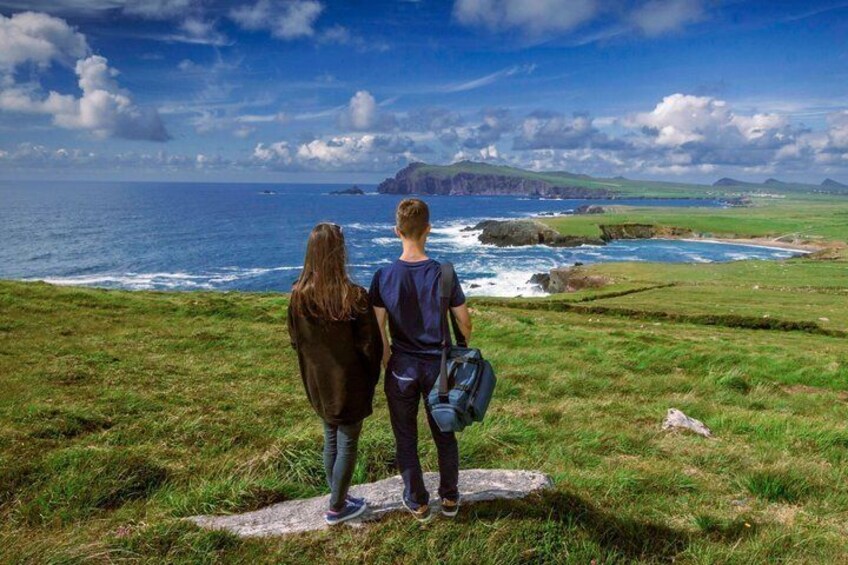
Ireland 7 Day Self Guided Audio Tour on Your Smartphone

By TouringBee
Free cancellation available
The previous price was S$15 and current price is S$12 per adult

Features

  • Free cancellation available
  • 7d
  • Mobile voucher
  • Instant confirmation
  • Multiple languages

Overview

This tour is designed for a long thoughtful journey around the island, perfect for a week or longer. Follow the route on the app's map to discover Ireland's most stunning natural and historical attractions.

Highlights include Dublin and Belfast, The Cliffs of Moher and the Giant's Causeway, Connemara and Killarney National Parks, Medieval castles and abbeys, beautiful beaches and lush forests.

The tour features 50 points of interest, with stories crafted by professional journalists and historians, all infused with humour and a passion for travel.

After downloading the tour, the app works offline. We recommend using headphones. Enjoy fascinating stories and legends at your own pace. You can take breaks for rest and refreshments or even return home and continue the tour later. The audio guide is available to you for one year.

Activity location

  • Temple Bar
    • 2, Dublin, Ireland

Meeting/Redemption Point

  • Temple Bar
    • Dublin, County Dublin, Ireland

Check availability

English in English
  • Activity duration is 7 days7d
    7d
  • Opening hours: Wed 7:00-20:00
  • English
Language options: English
Price details
S$14.78
S$11.82 x 1 AdultS$11.82
Total
The previous price was S$14.78 and current price is S$11.82
20% off
German in German
  • Activity duration is 7 days7d
    7d
  • Opening hours: Wed 7:00-20:00
  • German
Language options: German
Price details
S$14.78
S$11.82 x 1 AdultS$11.82
Total
The previous price was S$14.78 and current price is S$11.82
20% off

What's included, what's not

  • What's includedWhat's included
    50 audio recordings authored by a professional historian
  • What's includedWhat's included
    Audio Guide App for iPhone and Android
  • What's includedWhat's included
    One-year access to the tour in your preferred language
  • What's includedWhat's included
    Offline map with a route for effortless GPS navigation
  • What's includedWhat's included
    Landmark Illustrations for better navigation
  • What's excludedWhat's excluded
    Smartphone and headphones
  • What's excludedWhat's excluded
    In-person tour guide
  • What's excludedWhat's excluded
    Transport
  • What's excludedWhat's excluded
    Food and drinks

Know before you book

  • Public transport options are available nearby
  • Suitable for all physical fitness levels
  • The audio guide is available through a special mobile app for iOS and Android
  • Admission tickets to the attractions are not included. Please buy them separately in advance
  • The tour does not cover all sights in Ireland
  • This is a self-guided tour. You will need to download the audio guide mobile app, activate your purchase, and follow the route on the app's map. There is no human guide provided
  • The audio guide is available anytime, the date and time provided for checkout are approximate

Activity itinerary

Day 1: Dublin - Glendalough

  • 4 stops
  • Meals: Not included
  • Accommodation: Not included

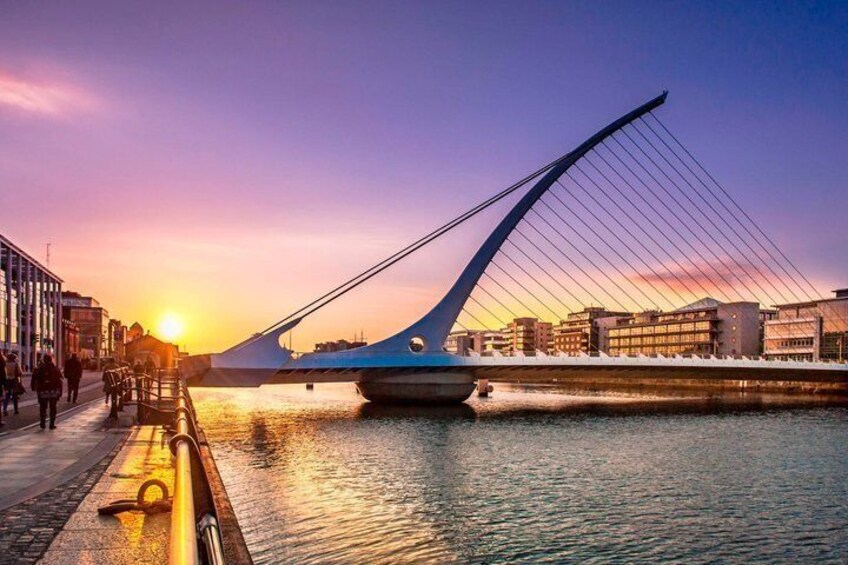
Temple Bar

  • 30m
Temple Bar is one of Dublin’s most famous and lively districts, known for its cobbled streets, vibrant nightlife, and rich cultural scene. Located on the south bank of the River Liffey, it is filled with traditional Irish pubs, live music venues, galleries, and restaurants. By day, it offers markets and cultural institutions, while in the evening it transforms into a bustling hub where visitors can experience authentic Irish music, food, and atmosphere, making it a must-visit area for both locals and tourists.

Trinity College Dublin

  • 30m
Trinity College Dublin is Ireland’s oldest and most prestigious university, founded in 1592, and located in the heart of the city. Its historic campus features elegant courtyards and iconic buildings, with the highlight being the famous Long Room library, home to the treasured Book of Kells, a beautifully illuminated medieval manuscript. The college blends centuries of academic tradition with a lively student atmosphere, making it both a cultural landmark and an active centre of learning.

Sally Gap

  • 30m
Sally Gap is a scenic mountain pass in the heart of the Wicklow Mountains, known for its wild, open landscapes of heather, bog, and rolling hills. It’s a popular stop along drives from Dublin, offering dramatic views and access to nearby highlights like Lough Tay (the “Guinness Lake”) and Glenmacnass Waterfall. The area feels remote and untamed, with narrow roads crossing windswept terrain, making it especially beautiful in changing weather and a favourite spot for photographers and nature lovers.

Glendalough Village

  • 1h
Glendalough is a stunning glacial valley in the Wicklow Mountains, renowned for its early medieval monastic settlement founded by Saint Kevin in the 6th century. The site features atmospheric ruins, including a well-preserved round tower, ancient churches, and stone crosses, all set between two picturesque lakes surrounded by forested hills. Today, it’s one of Ireland’s most popular natural and historical attractions, offering scenic walking trails, hiking routes, and a peaceful glimpse into the country’s spiritual and natural heritage.

Day 2: Holycross - Blarney

  • 4 stops
  • Meals: Not included
  • Accommodation: Not included

Holy Cross Abbey

  • 1h
Holy Cross Abbey is a beautifully preserved medieval Cistercian monastery founded in the 12th century, renowned as one of Ireland’s most important pilgrimage sites due to its relic of the True Cross. Located near the village of Holycross in County Tipperary, the abbey features impressive Gothic architecture, including a striking nave, ornate stone carvings, and a peaceful riverside setting along the River Suir. Despite periods of destruction and restoration, it remains an active place of worship and a significant historical landmark, offering visitors a serene atmosphere and a glimpse into Ireland’s rich religious heritage.

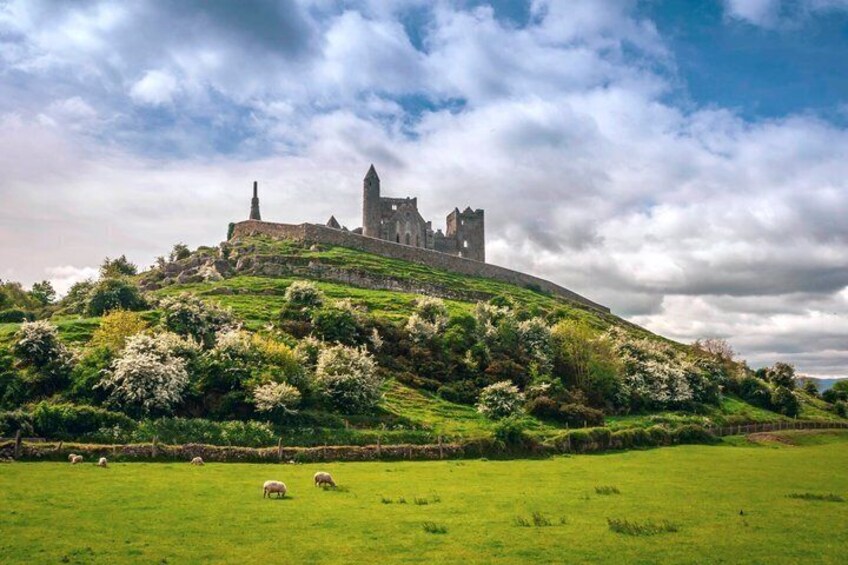
Rock of Cashel

Rock of Cashel is one of Ireland’s most iconic historic sites, dramatically perched on a limestone hill overlooking the surrounding countryside. Once the seat of the kings of Munster, it later became an important ecclesiastical centre, featuring a remarkable collection of medieval buildings including a round tower, a Gothic cathedral, a 15th-century tower house, and the beautifully preserved Romanesque Cormac’s Chapel with its rare frescoes. Rich in legend and history — associated with figures like Saint Patrick — the site offers both cultural significance and sweeping panoramic views.

The English Market

  • 1h
English Market is a historic covered food market in the heart of Cork, dating back to 1788 and renowned for its vibrant atmosphere and high-quality local produce. Set within a charming Victorian structure, it features a wide variety of stalls offering fresh seafood, artisan cheeses, meats, baked goods, and traditional Irish specialities. A favourite among both locals and visitors — as well as famously praised by Queen Elizabeth II during her 2011 visit — the market is not just a place to shop, but a cultural landmark that reflects Cork’s rich culinary heritage.

Blarney Castle & Gardens

Blarney Castle & Gardens is one of Ireland’s most iconic attractions, famous for the legendary Blarney Stone, which visitors can kiss to gain the “gift of eloquence.” The medieval castle, originally built in the 15th century, rises above beautifully landscaped gardens that span over 60 acres, featuring tranquil walking paths, waterfalls, and unique spots like the Poison Garden and Rock Close with its ancient druidic features. Surrounded by lush greenery and steeped in myth and history, it offers a perfect blend of storytelling, nature, and breathtaking views from the castle’s summit.

Day 3: Killarney - Derrynane - Kerry - Limerick - Bunratty

  • 7 stops
  • Meals: Not included
  • Accommodation: Not included

Killarney House Gardens

  • 1h
Killarney House & Gardens is a beautifully restored historic estate located at the gateway to Killarney National Park, offering visitors a peaceful introduction to the region’s natural and cultural heritage. The elegant house hosts interactive exhibitions about the park’s landscapes, wildlife, and history, while the surrounding gardens are meticulously designed with ornamental flowerbeds, fountains, and scenic walking paths. Framed by mountains and lakes, this serene setting provides a perfect starting point for exploring one of Ireland’s most picturesque areas.

Ross Castle

Ross Castle is a striking 15th-century tower house set on the edge of Lough Leane in Killarney National Park, offering a vivid glimpse into Ireland’s medieval past. Once the stronghold of the O’Donoghue clan, the castle is surrounded by scenic woodlands and lake views, creating a dramatic and peaceful atmosphere. Today, visitors can explore its well-preserved interiors on guided tours, learning about life in a fortified Irish castle, or simply enjoy the picturesque surroundings and nearby walking paths along the water.

Muckross Abbey

  • 1h
Muckross Abbey is a historic 15th-century Franciscan friary located near Muckross Lake in Killarney National Park. Famous for its atmospheric ruins, it features a large, roofless stone structure with a well-preserved central cloister and intricately carved tombs, including the graves of local chieftains. Surrounded by tranquil woodland and reflective waters, the abbey offers visitors a serene setting for exploration, photography, and reflection, highlighting Ireland’s rich monastic and medieval heritage.

Derrynane Beach

  • 1h
Derrynane Beach is a stunning sandy beach located near Derrynane House, known for its crystal-clear waters, gentle waves, and scenic views of the surrounding Kerry coastline. Popular with swimmers, walkers, and nature lovers, the beach is part of a peaceful, protected area featuring sand dunes and coastal flora, offering a tranquil escape and picturesque setting that highlights the natural beauty of Ireland’s southwest coast.

Kerry Cliffs (Aillte Chiarraí)

  • 1h
Kerry Cliffs (Aillte Chiarraí) are dramatic sea cliffs located on the Dingle Peninsula, offering breathtaking views over the Atlantic Ocean and the surrounding rugged coastline. Rising up to 200 metres, the cliffs are less crowded than the more famous Cliffs of Moher, providing a peaceful hiking experience along well-marked trails. Visitors can enjoy panoramic vistas, abundant birdlife, and the raw natural beauty of Ireland’s southwest, making Kerry Cliffs a spectacular destination for photography, walking, and appreciating the wild Atlantic landscape.

King John's Castle

King John's Castle is a striking 13th-century Norman fortress located on King’s Island along the River Shannon in the heart of Limerick. With its massive stone walls, circular corner towers, and well-preserved battlements, the castle provides a vivid glimpse into medieval military architecture. Today, it houses an interactive visitor centre with exhibitions, multimedia displays, and reconstructed scenes that bring the history of the castle and the city to life, while the ramparts offer panoramic views of Limerick and the river, making it both an educational and scenic destination.

Bunratty Castle and Folk Park

Bunratty Castle is a remarkably well-preserved 15th-century medieval fortress and one of Ireland’s most popular historic attractions. Surrounded by a reconstructed 19th-century village known as Bunratty Folk Park, the castle offers visitors a glimpse into medieval life with its grand banquet halls, furnished rooms, and traditional décor. Bunratty Castle is also famous for its evening medieval banquets, where guests can enjoy authentic food, music, and entertainment in a historical setting, making it a vibrant and immersive cultural experience.

Day 4: Cliffs of Moher - Clonmacnoise - Galway

  • 11 stops
  • Meals: Not included
  • Accommodation: Not included

Cliffs of Moher

  • 1h
Cliffs of Moher are one of Ireland’s most iconic natural landmarks, stretching for about 14 kilometres along the Atlantic coast and rising up to 214 metres above the ocean. Famous for their dramatic vertical drops, panoramic vistas, and abundant seabird colonies — including puffins — the cliffs offer spectacular views over the Aran Islands and the rugged coastline. The Cliffs of Moher Visitor Experience provides walking trails, informative exhibits, and viewing platforms, allowing visitors to safely explore this breathtaking landscape while learning about its geology, wildlife, and cultural significance.

Aran Islands

Aran Islands (Oileáin Árann) are a group of three rugged islands—Inishmore, Inishmaan, and Inisheer — located at the mouth of Galway Bay on Ireland’s west coast. Known for their stark limestone landscapes, ancient forts, and traditional Irish culture, the islands offer visitors a glimpse into a preserved way of life, with Gaelic still widely spoken. Popular attractions include prehistoric sites like Dún Aonghasa, coastal cliffs, and scenic cycling and walking routes, making the Aran Islands a unique destination for history, nature, and authentic Irish island culture.

Poulnabrone Dolmen

  • 1h
Poulnabrone Dolmen is a remarkable prehistoric portal tomb located in the Burren, dating back to the Neolithic period (around 2500 BC). The dolmen consists of a large flat capstone supported by vertical limestone slabs, creating an iconic and mysterious silhouette against the stark, karst landscape. Archaeological excavations have revealed human remains and artefacts beneath the structure, offering insight into Ireland’s ancient burial practices. Poulnabrone Dolmen is both a powerful cultural symbol and a popular destination for visitors seeking to explore Ireland’s prehistoric heritage amid the unique scenery of the Burren.

Dunguaire Castle's Medieval Banquet

Dunguaire Castle is a 16th-century tower house located on the shores of Galway Bay near the village of Kinvara. Built by the O'Hynes clan, it features a striking square design with battlements and offers a glimpse into Ireland’s medieval fortified homes. Today, the castle is a popular tourist attraction, hosting traditional Irish banquets, cultural events, and historical tours, allowing visitors to experience both the architectural heritage and the lively social traditions of the region.

Clonmacnoise

  • 1h
Clonmacnoise (Cluain Mhic Nóis) is an important early medieval monastic site located along the River Shannon. Founded in the 6th century by Saint Ciarán, it became a major centre of religion, learning, craftsmanship, and trade in Ireland. The site features impressive ruins including a round tower, high crosses, and several churches, set amid peaceful riverside surroundings. Clonmacnoise offers visitors a profound glimpse into Ireland’s spiritual and cultural heritage, reflecting centuries of monastic life and medieval artistry.

Galway's Latin Quarter

  • 1h
Latin Quarter is the historic heart of Galway city, known for its narrow cobblestone streets, colourful shopfronts, and vibrant cultural atmosphere. Famous for traditional pubs, artisan boutiques, and street performances, the quarter blends medieval charm with contemporary life, making it a lively hub for both locals and visitors. Its lively streets, historic buildings, and bustling nightlife reflect Galway’s artistic spirit and reputation as one of Ireland’s most characterful cities.

Eyrephort Beach

  • 1h
Eyrephort Beach is a scenic and relatively secluded coastal beach on Ireland’s western shore, known for its golden sands, rolling dunes, and views of the Atlantic Ocean. Popular with walkers, birdwatchers, and nature enthusiasts, it offers a peaceful setting away from crowded tourist areas. Its natural beauty, combined with the dramatic coastal landscape of County Galway, makes Eyrephort Beach an ideal spot for relaxation, photography, and enjoying the rugged charm of Ireland’s west coast.

Connemara National Park

  • 1h
Connemara National Park is a vast protected area covering over 2,000 hectares of mountains, bogs, heaths, and woodlands in the heart of the Connemara region. The park features a network of walking and hiking trails, ranging from easy nature walks to challenging climbs like Diamond Hill, which offers panoramic views of the surrounding landscape, including lakes, coastline, and the Twelve Bens mountain range. Rich in wildlife and scenic beauty, Connemara National Park provides visitors with an immersive experience of Ireland’s rugged west, blending natural splendour with opportunities for outdoor recreation and wildlife observation.

Kylemore Abbey & Victorian Walled Garden

Moyne Abbey (Mainistir na Coille Móire) is a historic ruined Franciscan friary founded in the 15th century, located near the village of Moyne in County Mayo. Set amid peaceful countryside, the abbey features evocative Gothic arches, stone walls, and remnants of monastic buildings that reflect Ireland’s medieval religious heritage. Today, it offers visitors a serene and atmospheric site for exploration, photography, and reflection on the country’s monastic traditions and architectural history.

Killary Harbour

  • 1h
Killary Harbour is a stunning fjord-like inlet located on the border of Counties Galway and Mayo, stretching approximately 16 kilometres from the Atlantic Ocean into the mountains. It is Ireland’s only true fjord, offering dramatic scenery with steep-sided mountains, tranquil waters, and rich wildlife including seals, otters, and seabirds. Popular for boat tours, kayaking, and hiking along the surrounding trails, Killary Harbour provides visitors with a unique combination of natural beauty, outdoor adventure, and an intimate glimpse into Ireland’s rugged western coastline.

Westport House

Westport House is an 18th-century stately home set on the shores of Clew Bay, combining historical architecture, landscaped gardens, and a rich cultural legacy. Originally built on the site of a medieval castle associated with the Marsh family, it features elegant interiors, period furnishings, and heritage exhibits. Today, Westport House offers guided tours, gardens, woodland walks, family attractions, and seasonal events, providing visitors with a mix of history, nature, and entertainment in the picturesque west of Ireland.

Day 5: Achill Island - Derry

  • 10 stops
  • Meals: Not included
  • Accommodation: Not included

Achill Island

  • 2h
Achill Island is Ireland’s largest island, located off the west coast and connected to the mainland by a bridge. Known for its dramatic cliffs, sandy beaches, rugged mountains, and traditional Irish culture, Achill offers a diverse landscape for hiking, cycling, surfing, and wildlife spotting. Visitors can explore historic sites such as the Deserted Village at Slievemore, experience Gaelic-speaking communities, and enjoy the island’s stunning Atlantic vistas, making it a premier destination for both outdoor adventure and cultural immersion.

Downpatrick Head

  • 1h
Downpatrick Head is a dramatic coastal headland on Ireland’s northwest coast, famous for its rugged cliffs, sea stacks, and panoramic views of the Atlantic Ocean. The site features the striking Dun Briste Sea Stack, a 50-meter-high rock formation rising from the sea, as well as remnants of ancient forts and monastic settlements. Popular with walkers, birdwatchers, and photographers, Downpatrick Head offers a powerful combination of natural beauty, geological interest, and historical significance, showcasing the wild and rugged character of Ireland’s Atlantic coastline.

Sligo Abbey

Sligo Abbey is a historic Dominican friary founded in the 13th century in the heart of Sligo town. Although largely in ruins today, the site retains remarkable features including a well-preserved cloister, Gothic windows, and intricate carvings on tombs and capitals. The abbey reflects centuries of religious, social, and architectural history, serving as a cultural landmark where visitors can explore medieval monastic life and appreciate the enduring heritage of Sligo’s ecclesiastical past.

Benbulbin

  • 1h
Benbulbin is a striking table-top mountain in County Sligo, part of the Dartry Mountains, and one of Ireland’s most iconic natural landmarks. Its flat summit, steep cliffs, and dramatic slopes make it instantly recognisable, while the surrounding area is steeped in mythology, including associations with the legendary warrior Fionn mac Cumhaill and the Fianna. Popular with hikers, geologists, and photographers, Benbulbin offers breathtaking views over the surrounding countryside and the Wild Atlantic Way, combining natural beauty with cultural and historical significance.

Slieve League

  • 1h
Slieve League (Sliabh Liag) Cliffs are among the highest sea cliffs in Europe, rising up to 601 metres above the Atlantic Ocean on Ireland’s rugged northwest coast. Known for their dramatic vertical drops, panoramic views, and breathtaking scenery, the cliffs offer several walking trails and viewpoints, including the popular Bunglass Trail. Slieve League is a haven for hikers, photographers, and nature lovers, providing an awe-inspiring experience of Ireland’s wild coastal landscapes and a spectacular vantage point over the Atlantic.

Glenveagh Castle

Glenveagh Castle is a striking 19th-century castellated mansion set amid the scenic landscapes of Glenveagh National Park. Surrounded by rugged mountains, pristine lakes, and extensive gardens, the castle was originally built as a hunting lodge and later became the residence of the Harris family. Today, visitors can explore the castle’s historic interiors, stroll through its Victorian walled gardens, and enjoy the park’s walking trails, wildlife, and breathtaking natural scenery, making it a blend of history, culture, and outdoor adventure.

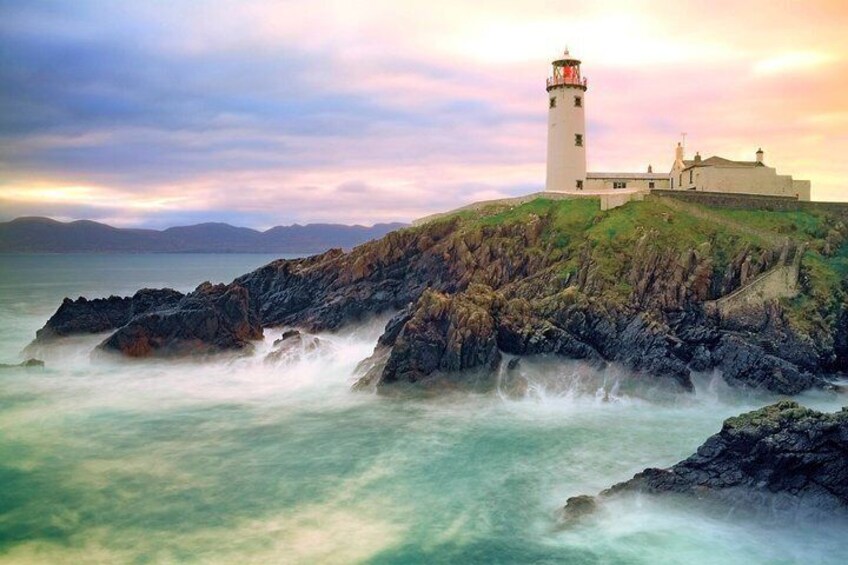
Fanad Head Lighthouse

Fanad Head Lighthouse is a historic lighthouse perched on the rugged Fanad Peninsula, guiding ships along the Wild Atlantic Way. Built in 1817, it stands as a striking white tower with red detailing, offering panoramic views of the Atlantic Ocean, cliffs, and surrounding coastline. The lighthouse is open to visitors, providing guided tours, accommodation in the former keeper’s cottages, and opportunities to learn about maritime history while enjoying one of Ireland’s most scenic and dramatic coastal locations.

Portsalon (Magherawarden) Beach

  • 1h
Portsalon Beach is a stunning sandy beach located on the Fanad Peninsula, famous for its golden sands, crystal-clear waters, and views across Lough Swilly. Often regarded as one of Ireland’s most beautiful beaches, it is popular for swimming, walking, and water sports, while the surrounding dunes and countryside provide a peaceful and scenic setting. Portsalon Beach combines natural beauty with tranquility, making it a favourite destination for both locals and visitors exploring Donegal’s rugged coastline.

St Eunan's Cathedral Raphoe

  • 1h
St Eunan’s Cathedral is an impressive Gothic Revival cathedral and the seat of the Diocese of Raphoe. Built in the 19th century, it features soaring pointed arches, stained glass windows, and intricately carved stonework, reflecting the architectural grandeur of its period. The cathedral remains an active place of worship while also attracting visitors interested in its history, religious significance, and beautifully preserved ecclesiastical design in the heart of Raphoe.

St. Columb's Cathedral

  • 1h
St. Columb’s Cathedral is a historic Anglican cathedral founded in 1633, making it the first post-Reformation cathedral built in Ireland. Renowned for its striking Gothic architecture, stone tower, and intricate interior details, it has served as a centre of worship, community, and culture for centuries. Visitors can explore its chapels, stained glass windows, and historical artefacts, while the cathedral’s long history reflects the religious and civic heritage of Derry, making it a prominent landmark in the city.

Day 6: Portrush - Belfast

  • 7 stops
  • Meals: Not included
  • Accommodation: Not included

Dunluce Castle

Dunluce Castle is a dramatic medieval castle perched on a rocky cliff along the Causeway Coast, overlooking the North Atlantic Ocean. Built in the 13th–16th centuries, it was the seat of the MacDonnell clan and played a key role in the region’s turbulent history. Today, the castle’s ruins—including the gatehouse, kitchen, and walls — offer visitors a hauntingly picturesque site, with breathtaking coastal views and a sense of Ireland’s medieval heritage and coastal defence architecture.

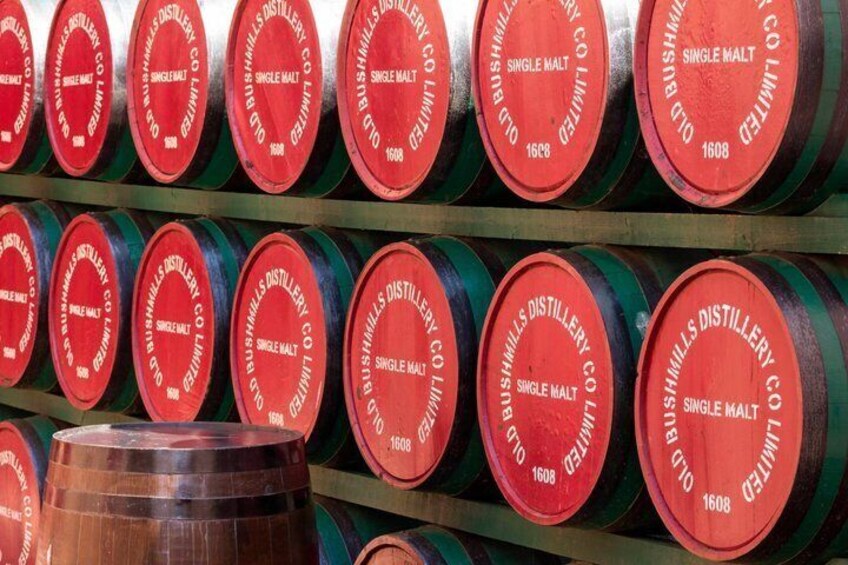
Bushmills Distillery

  • 1h
Old Bushmills Distillery is the world’s oldest licensed whisky distillery, established in 1608, and a cornerstone of Ireland’s whisky heritage. Located near the Giant’s Causeway, it produces traditional single malt and blended Irish whiskies using local water and malted barley. Visitors can take guided tours to learn about the distillation process, explore historic buildings, and sample a range of whiskies, experiencing both the craftsmanship and cultural significance of this iconic Northern Irish institution.

Giant's Causeway

  • 1h
Giant’s Causeway is a UNESCO World Heritage site renowned for its unique interlocking basalt columns formed by ancient volcanic activity. Located along the rugged north coast, the site features thousands of hexagonal columns that create natural stepping stones leading into the sea, inspiring legends of Finn McCool (Fionn mac Cumhaill). The Giant’s Causeway offers dramatic coastal scenery, walking trails, and interpretive visitor facilities, making it one of Northern Ireland’s most iconic natural and cultural attractions.

Carrick-A-Rede Rope Bridge

Carrick-a-Rede Rope Bridge is a thrilling pedestrian bridge that spans a 20-meter chasm linking the mainland to the tiny island of Carrick-a-Rede. Originally built by fishermen over 350 years ago, the bridge offers spectacular views of the rugged Antrim coastline, the Atlantic Ocean, and nearby Rathlin Island. Today, it is a popular attraction for visitors seeking adventure, photography opportunities, and a dramatic experience of Northern Ireland’s natural beauty.

Chaine Memorial Tower

  • 1h
Chaine Memorial Tower is a historic coastal landmark built in 1888 to commemorate James Chaine, a prominent local businessman and politician who contributed to the development of Larne Harbour. The tower features Gothic Revival architectural details and stands on a rocky promontory overlooking the sea. It serves as both a memorial and a scenic viewpoint, offering visitors panoramic views of Larne Lough and the surrounding coastline while reflecting the area’s maritime and civic heritage.

Belfast Castle

  • 1h
Belfast Castle is a striking 19th-century castle perched on the slopes of Cave Hill, overlooking Belfast and Belfast Lough. Built in a Scottish baronial style for the Chichester family, it features elegant interiors, formal gardens, and expansive grounds. Today, the castle is open to the public, hosting guided tours, events, and a visitor centre, while offering panoramic views, walking trails, and a glimpse into Northern Ireland’s architectural and social history.

Titanic Belfast

Titanic Belfast is an iconic visitor attraction and museum dedicated to the history of the RMS Titanic, which was built in Belfast. Housed in a striking, ship-shaped building in the Titanic Quarter, it features nine interactive galleries covering the ship’s construction, launch, voyage, and legacy. Visitors can explore exhibitions on Belfast’s maritime heritage, experience immersive multimedia displays, and learn about the social, technological, and human stories surrounding the Titanic, making it a world-class cultural and educational destination.

Day 7: Downpatrick - Dublin

  • 7 stops
  • Meals: Not included
  • Accommodation: Not included

Castle Ward

Castle Ward is an 18th-century National Trust estate near Strangford Lough, renowned for its unique architectural feature of combining Gothic and Classical styles in the main house. The estate includes beautiful gardens, woodland trails, and lakeside walks, offering visitors a scenic and peaceful setting. Castle Ward is also famous as a filming location for Game of Thrones, where it represented Winterfell, attracting fans of the series alongside those interested in history, architecture, and Irish landscapes.

Tollymore Forest Park

Tollymore Forest Park is a scenic 630-hectare park at the foot of the Mourne Mountains, known for its ancient woodland, winding rivers, and dramatic landscapes. Established in the 18th century as a demesne for the Hill family, it features walking trails, ornate bridges, and picturesque viewpoints, making it a popular destination for hikers, photographers, and nature enthusiasts. The park is also famous as a filming location for Game of Thrones.

Dun A Ri Forest Park

Dún a Rí Forest Park is a tranquil forest park located near Virginia in County Cavan, featuring a mix of woodland trails, open meadows, and scenic lakes. The park offers walking, cycling, and picnic areas, making it a popular destination for families and nature enthusiasts. Rich in wildlife and natural beauty, Dún a Rí Forest Park provides a peaceful setting for outdoor recreation while showcasing the region’s diverse flora and fauna.

Newgrange

Newgrange is a prehistoric passage tomb dating back to around 3200 BC, making it older than Stonehenge and the Great Pyramids. Part of the UNESCO World Heritage Brú na Bóinne complex, it features a large circular mound with a stone passage leading to an inner chamber, famously aligned so that sunlight illuminates the chamber at the winter solstice. Adorned with intricate megalithic carvings, Newgrange offers visitors a remarkable insight into Neolithic engineering, ritual, and Ireland’s ancient cultural heritage.

Lia Fáil (Stone of Destiny)

  • 1h
Stone of Destiny (Lia Fáil) is an ancient ceremonial stone located on the Hill of Tara, traditionally used in the inauguration of the High Kings of Ireland. According to legend, the stone would roar or signal when touched by the rightful king, symbolising divine approval and sovereignty. Steeped in mythology and Irish history, the Lia Fáil remains an important cultural and archaeological landmark, attracting visitors interested in Ireland’s regal past, ancient rituals, and legendary sites.

Trim Castle

Trim Castle is the largest Norman castle in Ireland, dating back to the late 12th century and situated on the banks of the River Boyne. Built by the de Lacy family, the castle features imposing stone walls, a central keep, and defensive towers, offering a vivid example of medieval military architecture. Visitors can explore the castle’s interiors, climb the battlements for panoramic views, and learn about its history through interpretive displays, making Trim Castle a significant historical and cultural landmark in Ireland.

Ben Of Howth

  • 1h
Howth (Binn Éadair) is a picturesque fishing village and peninsula on Dublin Bay, known for its scenic harbour, cliff walks, and stunning views of the Irish Sea. Rich in history, it features Howth Castle, ancient churches, and traditional pubs, while the surrounding cliffs and coastal trails attract hikers, photographers, and nature lovers. Howth combines maritime charm, cultural heritage, and outdoor recreation, making it a popular day-trip destination from Dublin.

Location

Activity location

  • LOB_ACTIVITIESLOB_ACTIVITIES
    Temple Bar
    • 2, Dublin, Ireland

Meeting/Redemption Point

  • PEOPLEPEOPLE
    Temple Bar
    • Dublin, County Dublin, Ireland

Best Deals on Things to Do

Experience the wonders of the world up close with great deals on things to do near and far. Expedia offers one-of-a-kind activities that allow you to explore Dublin your way. Whether you love nature, culture, food or a bit of adventure, we have the perfect activity for you.

Top experiences in Dublin

With so many things to do in Dublin, planning the perfect day out may seem like a daunting task. Expedia is here to take the hassle out of finding the best attractions, tours and activities in Dublin. Families, couples and business travellers can all find the perfect activity in Dublin to create life-long memories with the help of Expedia.