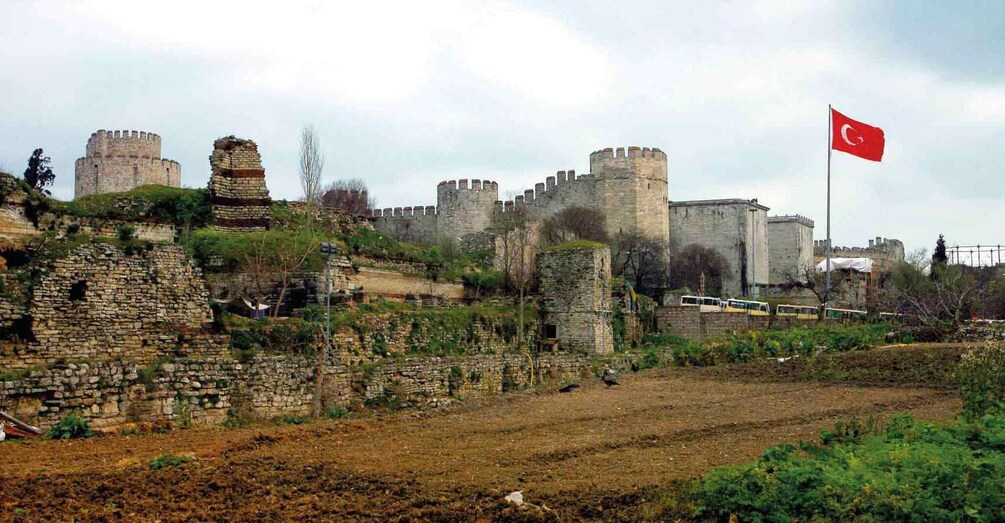
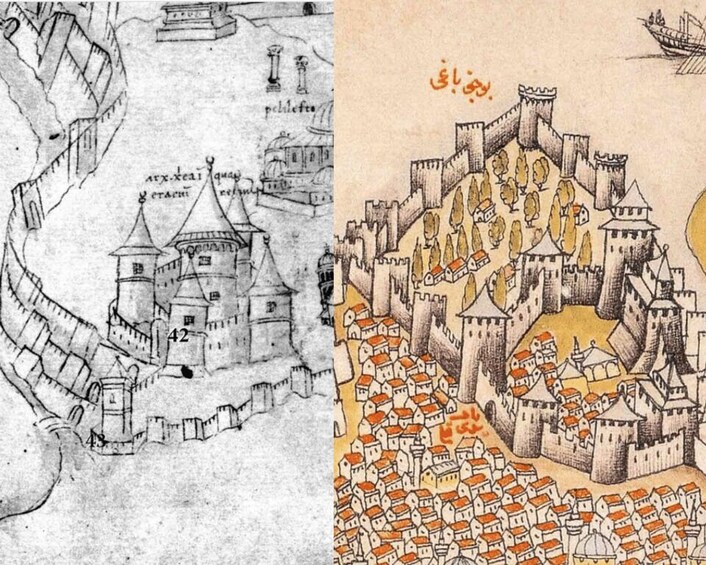
Discover the Walls of Constantinople, also known as the Theodosian Walls, which stood as an impregnable bulwark safeguarding the city for over a millennium until they were finally breached by the Ottoman forces in 1453.
After a 53-day siege, Constantinople fell on May 29, 1453. Mehmed II's entry into the city was not just a military victory but also a moment rich in symbolism, marking the transition from the Byzantine to the Ottoman era.
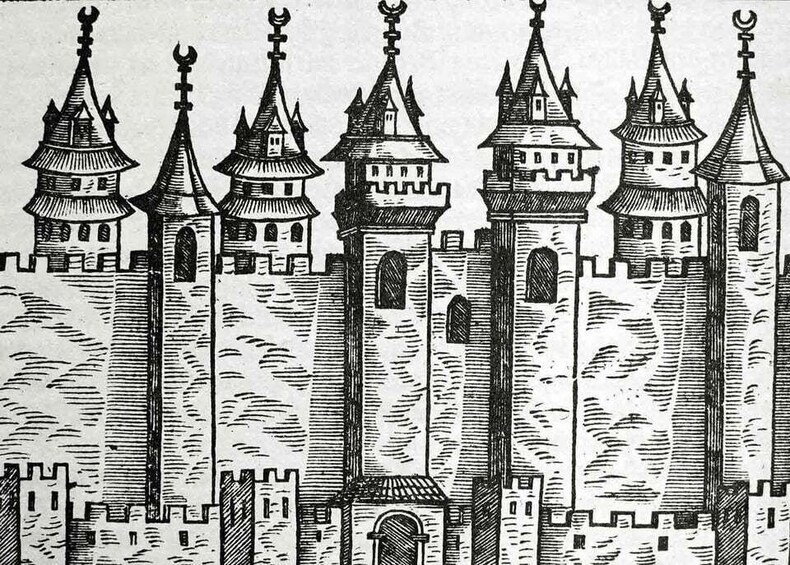
Constructed in the 5th century under the reign of Emperor Theodosius II, the walls were a masterpiece of defensive architecture. Featuring triple-layered fortifications, including an inner wall, outer wall, and a protective moat, the Walls of Constantinople were designed to repel even the most formidable attackers.
Learn how these defences withstood countless sieges, becoming a beacon of hope and security for the city's inhabitants. On May 29, 1453, the great Ottoman Sultan Mehmed II ordered his Hungarian cannon maker, Urban, to bring his huge gun in front of the Topkapı Palace and started battering down the walls.
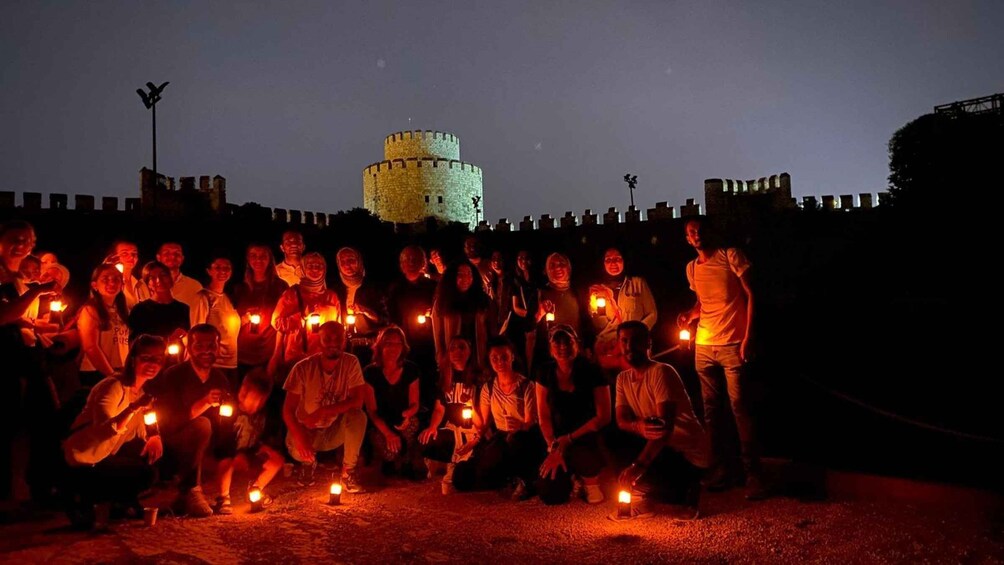
Cover the distance from Topkapı (near Topkapı Tram station) to the Yedikule (Dungeon of Seven) Fortresses mostly on foot. The last sight is a guided visit to the Fortress to see the Golden Gate.