Things to do in Ilha de Itamaraca

Activities, attractions and tours

#Pernambuco #Brasil #Brazil #Fort

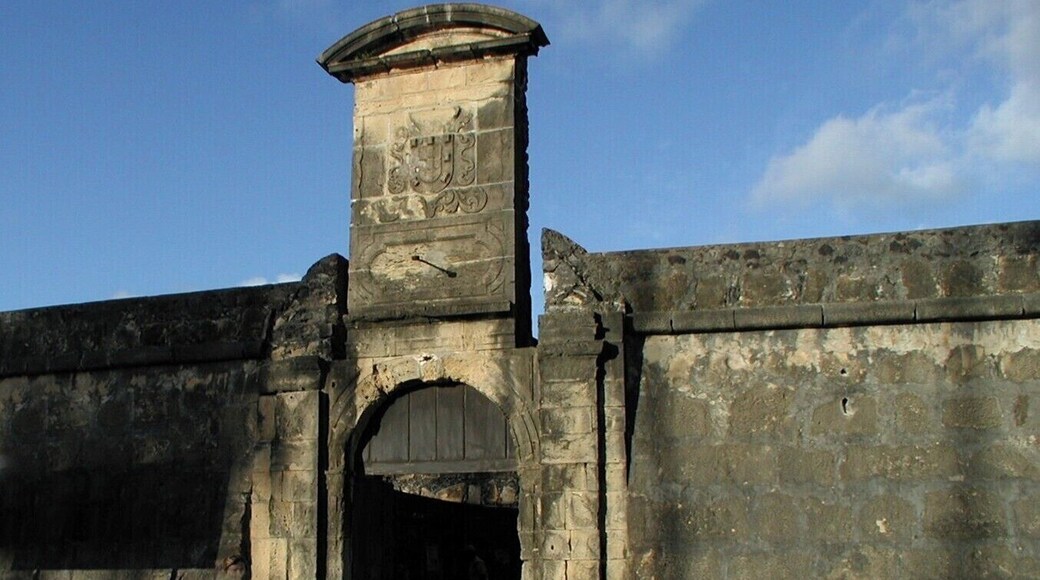
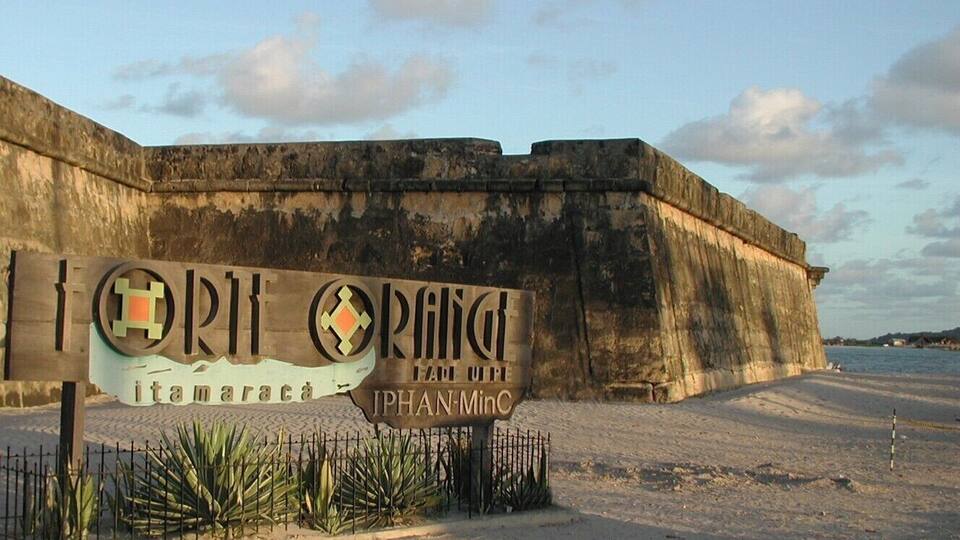
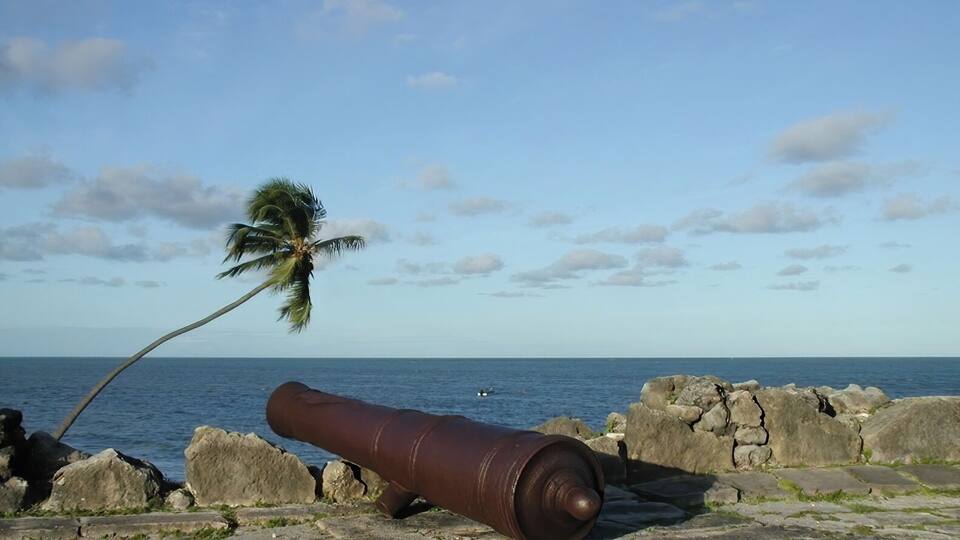
The Fort of Santa Cruz de Itamaracá, better known as Forte Orange, is located on the island of Itamaracá on the northern coast of the state of Pernambuco, Brazil. It was built in taipa by the Dutch in 1631. In 1654, with the defeat of the Dutch, it was in ruins. Later, in 1696, it was rebuilt by the Portuguese, in stone. The old Flemish symbols were exchanged for the arms of the Kingdom of Portugal which are engraved on the gate. Today, the space is occupied by a museum with archaeological fragments found in excavations and panels with reproductions of maps of the time.

O Forte de Santa Cruz de Itamaracá, mais conhecido como Forte Orange, localiza-se na ilha de Itamaracá no  litoral norte do estado de Pernambuco, no Brasil. Foi construído, em taipa, pelos holandeses em 1631. Em 1654, com a derrota dos holandeses, ficou em ruinas. Mais tarde, em 1696, foi reconstruído pelos portugueses, em pedra. Os antigos símbolos flamengos foram trocados pelas armas do Reino de Portugal que estão gravadas sobre o portão. Hoje, o espaço é ocupado por um museu com fragmentos arqueológicos encontrados em escavações e painéis com reproduções de mapas da época.
#Pernambuco #Brasil #Brazil #Fort

The Fort of Santa Cruz de Itamaracá, better known as Forte Orange, is located on the island of Itamaracá on the northern coast of the state of Pernambuco, Brazil. It was built in taipa by the Dutch in 1631. In 1654, with the defeat of the Dutch, it was in ruins. Later, in 1696, it was rebuilt by the Portuguese, in stone. The old Flemish symbols were exchanged for the arms of the Kingdom of Portugal which are engraved on the gate. Today, the space is occupied by a museum with archaeological fragments found in excavations and panels with reproductions of maps of the time.

O Forte de Santa Cruz de Itamaracá, mais conhecido como Forte Orange, localiza-se na ilha de Itamaracá no  litoral norte do estado de Pernambuco, no Brasil. Foi construído, em taipa, pelos holandeses em 1631. Em 1654, com a derrota dos holandeses, ficou em ruinas. Mais tarde, em 1696, foi reconstruído pelos portugueses, em pedra. Os antigos símbolos flamengos foram trocados pelas armas do Reino de Portugal que estão gravadas sobre o portão. Hoje, o espaço é ocupado por um museu com fragmentos arqueológicos encontrados em escavações e painéis com reproduções de mapas da época.
#Pernambuco #Brasil #Brazil #Fort

The Fort of Santa Cruz de Itamaracá, better known as Forte Orange, is located on the island of Itamaracá on the northern coast of the state of Pernambuco, Brazil. It was built in taipa by the Dutch in 1631. In 1654, with the defeat of the Dutch, it was in ruins. Later, in 1696, it was rebuilt by the Portuguese, in stone. The old Flemish symbols were exchanged for the arms of the Kingdom of Portugal which are engraved on the gate. Today, the space is occupied by a museum with archaeological fragments found in excavations and panels with reproductions of maps of the time.

O Forte de Santa Cruz de Itamaracá, mais conhecido como Forte Orange, localiza-se na ilha de Itamaracá no  litoral norte do estado de Pernambuco, no Brasil. Foi construído, em taipa, pelos holandeses em 1631. Em 1654, com a derrota dos holandeses, ficou em ruinas. Mais tarde, em 1696, foi reconstruído pelos portugueses, em pedra. Os antigos símbolos flamengos foram trocados pelas armas do Reino de Portugal que estão gravadas sobre o portão. Hoje, o espaço é ocupado por um museu com fragmentos arqueológicos encontrados em escavações e painéis com reproduções de mapas da época.
#Pernambuco #Brasil #Brazil #Fort

The Fort of Santa Cruz de Itamaracá, better known as Forte Orange, is located on the island of Itamaracá on the northern coast of the state of Pernambuco, Brazil. It was built in taipa by the Dutch in 1631. In 1654, with the defeat of the Dutch, it was in ruins. Later, in 1696, it was rebuilt by the Portuguese, in stone. The old Flemish symbols were exchanged for the arms of the Kingdom of Portugal which are engraved on the gate. Today, the space is occupied by a museum with archaeological fragments found in excavations and panels with reproductions of maps of the time.

O Forte de Santa Cruz de Itamaracá, mais conhecido como Forte Orange, localiza-se na ilha de Itamaracá no  litoral norte do estado de Pernambuco, no Brasil. Foi construído, em taipa, pelos holandeses em 1631. Em 1654, com a derrota dos holandeses, ficou em ruinas. Mais tarde, em 1696, foi reconstruído pelos portugueses, em pedra. Os antigos símbolos flamengos foram trocados pelas armas do Reino de Portugal que estão gravadas sobre o portão. Hoje, o espaço é ocupado por um museu com fragmentos arqueológicos encontrados em escavações e painéis com reproduções de mapas da época.
#Pernambuco #Brasil #Brazil #Fort

The Fort of Santa Cruz de Itamaracá, better known as Forte Orange, is located on the island of Itamaracá on the northern coast of the state of Pernambuco, Brazil. It was built in taipa by the Dutch in 1631. In 1654, with the defeat of the Dutch, it was in ruins. Later, in 1696, it was rebuilt by the Portuguese, in stone. The old Flemish symbols were exchanged for the arms of the Kingdom of Portugal which are engraved on the gate. Today, the space is occupied by a museum with archaeological fragments found in excavations and panels with reproductions of maps of the time.

O Forte de Santa Cruz de Itamaracá, mais conhecido como Forte Orange, localiza-se na ilha de Itamaracá no  litoral norte do estado de Pernambuco, no Brasil. Foi construído, em taipa, pelos holandeses em 1631. Em 1654, com a derrota dos holandeses, ficou em ruinas. Mais tarde, em 1696, foi reconstruído pelos portugueses, em pedra. Os antigos símbolos flamengos foram trocados pelas armas do Reino de Portugal que estão gravadas sobre o portão. Hoje, o espaço é ocupado por um museu com fragmentos arqueológicos encontrados em escavações e painéis com reproduções de mapas da época.

  • find price illustration

    Explore activities

    Explore thousands of experiences from activities and attractions to day tours and transfer.
  • calendar shield illustration

    Book with ease

    Skip the line- book tickets online in minutes to top attractions with free cancellation on many activities.
  • trophy illustration

    Treat yourself

    Members save % or more when you book activities.

The Annual Holiday Sale

Members save up to 40% on hotels. Plan this year’s big trip and save.

What to do in Ilha de Itamaraca


Popular places to visit

Areas of Ilha de Itamaraca

#Pernambuco #Brasil #Brazil #Fort

The Fort of Santa Cruz de Itamaracá, better known as Forte Orange, is located on the island of Itamaracá on the northern coast of the state of Pernambuco, Brazil. It was built in taipa by the Dutch in 1631. In 1654, with the defeat of the Dutch, it was in ruins. Later, in 1696, it was rebuilt by the Portuguese, in stone. The old Flemish symbols were exchanged for the arms of the Kingdom of Portugal which are engraved on the gate. Today, the space is occupied by a museum with archaeological fragments found in excavations and panels with reproductions of maps of the time.

O Forte de Santa Cruz de Itamaracá, mais conhecido como Forte Orange, localiza-se na ilha de Itamaracá no  litoral norte do estado de Pernambuco, no Brasil. Foi construído, em taipa, pelos holandeses em 1631. Em 1654, com a derrota dos holandeses, ficou em ruinas. Mais tarde, em 1696, foi reconstruído pelos portugueses, em pedra. Os antigos símbolos flamengos foram trocados pelas armas do Reino de Portugal que estão gravadas sobre o portão. Hoje, o espaço é ocupado por um museu com fragmentos arqueológicos encontrados em escavações e painéis com reproduções de mapas da época.

Pilar

While visiting Pilar, you might make a stop by sights like Fort Orange and Itamaraca Beach.

Pilar
Default Image

Loteamento Enseada dos Golfinhos

Though Loteamento Enseada dos Golfinhos may not have many top sights, you can venture to the surrounding area to see attractions like Praia de Catuama and Itamaraca Beach.

Loteamento Enseada dos Golfinhos


Looking for fun things to do nearby? Check things to do near me to find and book the best things to do, fun activities, and top attractions wherever you happen to be.


Frequently asked questions

Is Ilha de Itamaraca worth visiting?
Offering a mix of watersports and coastal beaches, there are plenty of things to do in Ilha de Itamaraca. When you're here, head to Mangue Seco Beach, a major attraction in the area.
How do I spend a day in Ilha de Itamaraca?
Once you've checked off popular attractions like Mangue Seco Beach and Praia de Catuama, spend some time experiencing the retail and food options in Ilha de Itamaraca.
What is the top tourist attraction in Ilha de Itamaraca?
Don't go home without exploring Mangue Seco Beach, ranked the top tourist attraction in Ilha de Itamaraca.
Is three days enough to stay in Ilha de Itamaraca?
You can easily tick off leading attractions like Praia de Catuama, Coroa do Avioa Beach and Pontal da Ilha Beach with a three-day stay in Ilha de Itamaraca. On average, most travellers book three days here. There's plenty to explore nearby too, so stay a little longer and venture to Recife.
Is Ilha de Itamaraca a walkable city?
That comes down to what you'd like to do and see in Ilha de Itamaraca. Several top sights, such as Pontal do Jaguaribe Beach and Forno da Cal Beach, are reachable on foot. If you're up for a stroll around some of Ilha de Itamaraca's neighbourhoods, Pilar is 5 kilometres away from downtown, while Loteamento Enseada dos Golfinhos is 3 kilometres away from the centre and also within walking distance.
What are some activities to do in Ilha de Itamaraca with kids?
Whether you're holidaying with hard-to-please teens or tiny adventurers, an itinerary filled with fun activities makes all the difference. Browse our recommendations for what to do in Ilha de Itamaraca with kids.

What to do in Ilha de Itamaraca for adults?
Whether you're an avid foodie, culture enthusiast or adventure seeker, there are plenty of things to do in Ilha de Itamaraca for adults.
Are there free things to do in Ilha de Itamaraca?
One of the easiest ways to discover free things to do in Ilha de Itamaraca is to speak with a local tour guide. You'll get insider tips on interesting neighbourhoods, parks and other attractions you can visit without reaching for your wallet. Praia de Catuama is one sight that doesn't charge an admission fee.