Things to do in Kineta
Shopping
In Kineta, you can explore local shops offering unique souvenirs and gifts. The nearby Megara Market showcases traditional Greek products, while small boutiques provide an array of handcrafted items. Don't miss the chance to experience the local culture through its vibrant shopping scene.
Recreation
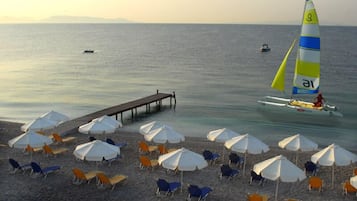
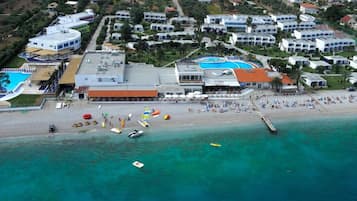
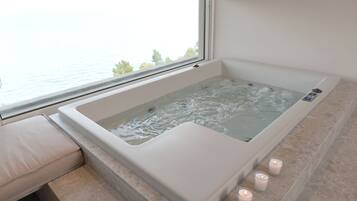
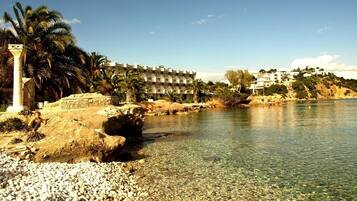
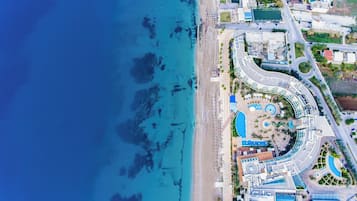
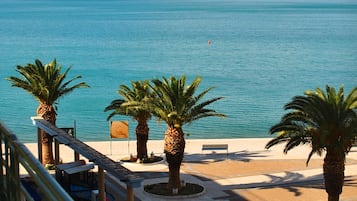
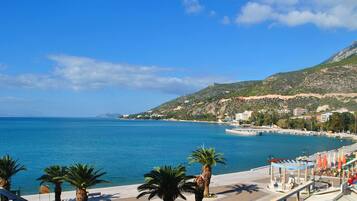
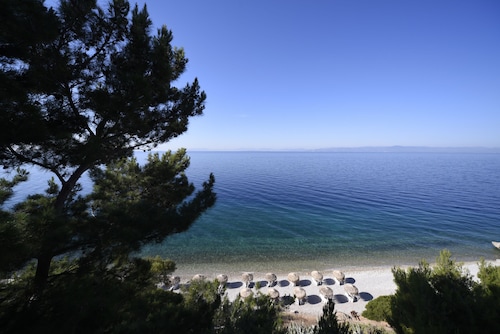
Discover the calming atmosphere at the Kineta Wellness Centre, where you can indulge in rejuvenating spa treatments and serene yoga classes. For outdoor relaxation, stroll along the sandy beach or explore the lush surroundings, providing a perfect backdrop for meditation and peaceful reflection.
Adventure
Kineta offers thrilling water sports along its beautiful coastline, where you can indulge in activities like windsurfing and jet skiing. For hiking enthusiasts, the nearby trails provide stunning views of the Aegean Sea, ensuring an exhilarating outdoor adventure amidst nature's beauty.
Nightlife
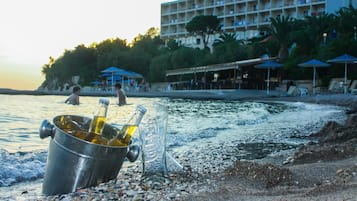
Experience the vibrant nightlife in Kineta by visiting the lively Kivotos bar for refreshing cocktails by the sea. For a more relaxed vibe, check out La Ponta café, where you can enjoy local delicacies and unwind with live music in a welcoming atmosphere.
*Distances are measured in a straight line; actual driving distances may vary depending on the route.



















































 Calendar Month
 Temperature
 Precipitation
 Cloudiness
 Occupancy
 Pricing