
Hotels with smoking rooms in Surakarta
 Change your mindBook hotels with free cancellation
 Be pickySearch almost a million properties worldwide
Check availability on Surakarta Hotels with smoking rooms
Our top choices for Surakarta hotels with designated smoking areas


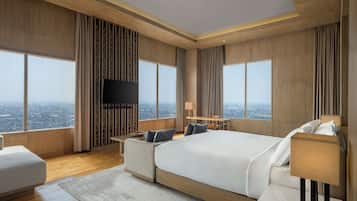
9.2 out of 10, Wonderful, (156 reviews)
"Was well above my expectations. Staff was exceptional, overall facilities (room, bed, restaurants, etc) were also very good"

Rajiv
The price is S$91
includes taxes & fees
30 Oct - 31 Oct
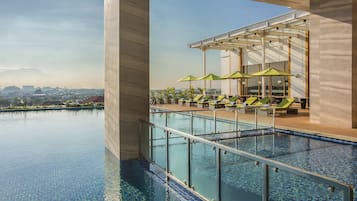

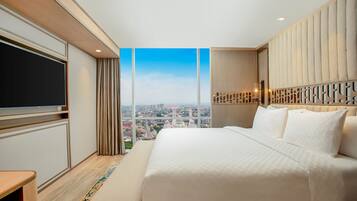

9.2 out of 10, Wonderful, (45 reviews)
"The hotel was very nice and the staff was very courteous and helpful. We truly enjoyed our stay and look forward to returning in the future."
STAN
The price is S$62
includes taxes & fees
1 Nov - 2 Nov

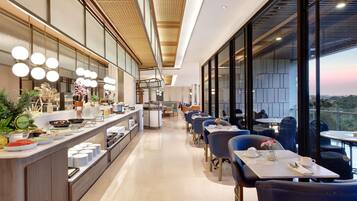


8.8 out of 10, Excellent, (84 reviews)
"Always a great place to stay"
Joshua
The price is S$59
includes taxes & fees
31 Oct - 1 Nov


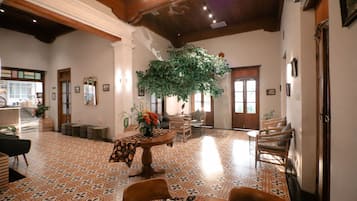
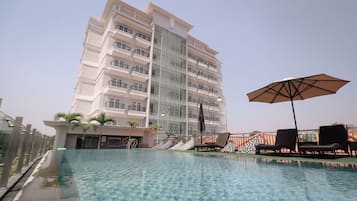
9.6 out of 10, Exceptional, (9 reviews)
"The hotel is an excellent place to stay. The hotel itself is not special or fancy, but it is well-run, clean, and located in the center of Solo. The breakfast buffet is excellent, the restaurant is good, and the hotel also has a nice cafe with an outside seating area. They featured life music at the cafe on weekend evenings. We saw no other foreign guests, which we saw as a plus. Many staff members speak good English."
Erzo
The price is S$32
includes taxes & fees
28 Oct - 29 Oct


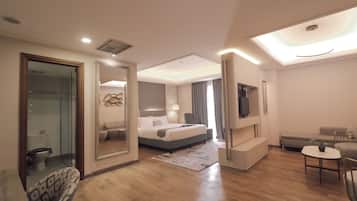
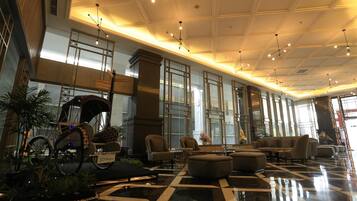
9.6 out of 10, Exceptional, (5 reviews)
"Good"

Ari Wijaya
The price is S$41
includes taxes & fees
29 Oct - 30 Oct
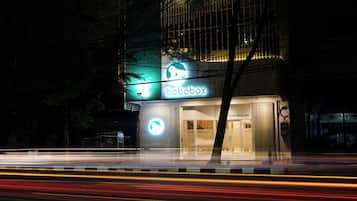

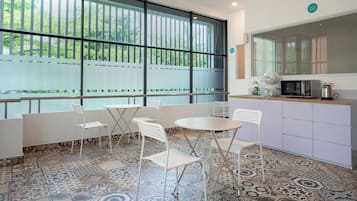
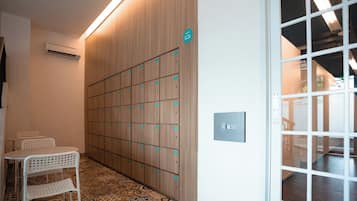
10.0 out of 10, Exceptional, (1 review)
"matur nuwun"

Sri
The price is S$11
includes taxes & fees
10 Nov - 11 Nov

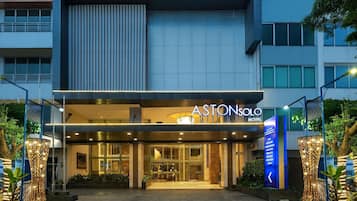


8.6 out of 10, Excellent, (98 reviews)
"Just one night, but the location, breakfast and service is excellent."

Adam
The price is S$56
includes taxes & fees
10 Nov - 11 Nov


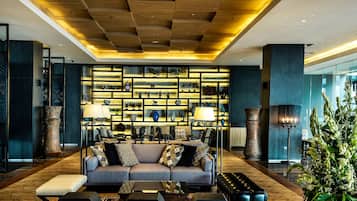

The price is S$38
includes taxes & fees
1 Nov - 2 Nov

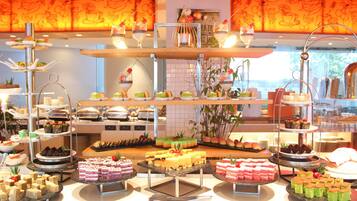


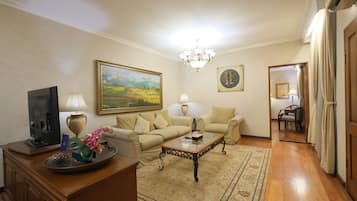

Lowest nightly price found within the past 24 hours based on a 1 night stay for 2 adults. Prices and availability subject to change. Additional terms may apply.
Top Surakarta Hotel Reviews
Explore a world of travel with Expedia
- 3 Star Hotels in Baki
- 3 Star Hotels in Karanganyar
- 3 Star Hotels in Klaten
- 3 Star Hotels in Solo City Centre
- 5 Star Hotels in Kartosuro
- 5 Star Hotels in Klaten
- 5 Star Hotels in Solo City Centre
- 5 Star Hotels in Sragen
- 5 Star Hotels in Surakarta
- 5 Star Hotels in Wonogiri
- Baki Hotels
- Banjarsari Hotels
- Hotels near Bengawan Solo
- Boyolali Hotels
- Colomadu Hotels
- Hotels near Hartono Mall
- Karanganyar Hotels
- Kartosuro Hotels
- Klaten Hotels
- Laweyan Hotels
- Hotels near Mangkunegaran Palace
- Hotels near Marba Building
- Hotels near Muhammadiyah University of Surakarta
- Hotels near Sangiran Early Man Site
- Selo Hotels
- Hotels with Swimming Pools in Solo City Centre
- Hotels with Spa in Solo City Centre
- Solo City Centre Hotels
- Hotels near Solo Paragon Lifestyle Mall
- Sragen Hotels
- Villas in Sragen
- Sukoharjo Hotels
- Budget Hotels in Surakarta
- Hotels with Balcony in Surakarta
- Hotels with Breakfast in Surakarta
- Hotels with connecting rooms in Surakarta
- Hotels with Swimming Pools in Surakarta
- Romantic Hotels in Surakarta
- Hotels with Spa in Surakarta
- Surakarta Hotels
- Tawangmangu Hotels
- Hotels near The Heritage Palace
- Wonogiri Hotels
- Flights to Adisumarmo Intl.
- Flights to Baki
- Flights to Boyolali
- Flights to Karanganyar
- Flights to Klaten
- Flights to Sragen
- Flights to Surakarta
- Flights from Klaten
- Flights from Bandung (BDO) to Surakarta (SOC)
- Flights from Batam Batu Besar (BTH) to Surakarta (SOC)
- Flights from Jakarta (CGK) to Surakarta (SOC)
- Flights from Denpasar (DPS) to Surakarta (SOC)
- Flights from Jakarta (HLP) to Surakarta (SOC)
- Flights from Jeddah (JED) to Surakarta (SOC)
- Flights from Singapore (SIN) to Surakarta (SOC)
- Visit Baki
- Bengawan Solo
- Boyolali Holidays
- Visit Boyolali
- Bubrah Temple
- Visit Colomadu
- Karanganyar Holidays
- Visit Karanganyar
- Visit Klaten
- Mangkunegaran Palace
- Plaosan Lor Temple
- Sragen Holidays
- Visit Sukoharjo
- Visit Banjarsari
- Visit Solo City Centre
- Surakarta Holidays
- Visit Surakarta
- Visit Tawangmangu
- Visit Wonogiri