




Top reviews in Gangwon


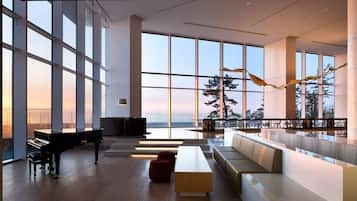

SEAMARQ Hotel
SEAMARQ Hotel10/10 Excellent


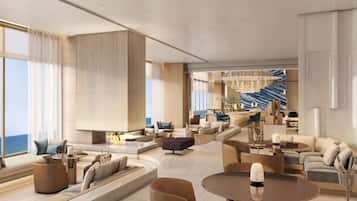
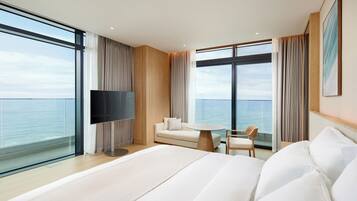
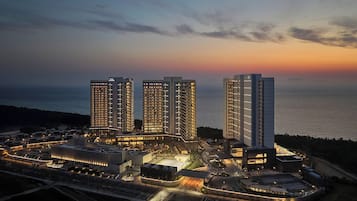
Shillamonogram Gangneung Hotel
Shillamonogram Gangneung Hotel10/10 Excellent


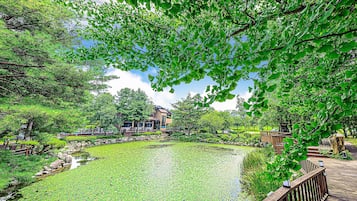

May Garden
May Garden10/10 Excellent




Sono Felice Vivaldi Park
Sono Felice Vivaldi Park8/10 Good
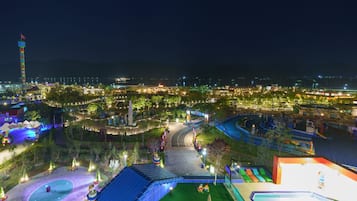

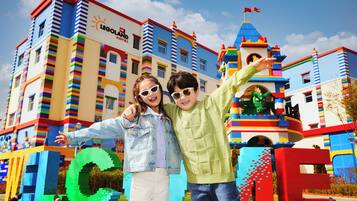

LEGOLAND Korea Resort
LEGOLAND Korea Resort10/10 Excellent
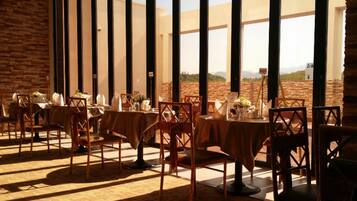



Hyunjin Tourist Hotel
Hyunjin Tourist Hotel8/10 Good
Find out more about Gangwon
Ryokans in Gangwon
A traditional Japanese-style inn, Ryokans originated in Tokyo and Kyoto and have existed since the eighth century AD. A Ryokan offer guests a unique opportunity to experience Japanese living and they traditionally have features such as tatami-matted rooms, sliding doors, communal spaces and, often, hot springs nearby. In a typical Ryokan, guests will also be provided with traditional Japanese clothing to wear. Bedding comprises of a futon spread on the floor, and a traditional Ryokan will also have tea-making facilities available throughout your stay.
Highlights of Staying in a Ryokan
Authenticity
Japan’s sense of hospitality and lifestyle is incorporated into the individual design of a Ryokan. A stay in a Ryokan gives travelers a true experience of Japanese culture and comforts, along with the high–quality service and minimalistic features. Guests can experience Japanese living and can expect a true sense of authenticity and escapism during your stay, by further wearing traditional clothing such as a light cotton kimono, or Yukata.
Immersive Experience
With low furniture, minimalistic design, matted flooring and often a Nakai-san, or room attendant, to see to your every need, guests can enjoy a luxurious stay while also benefitting from a high level of service and Japanese amenities. Your immersive experience continues with most Ryokan’s offering hot springs. It’s a feature which is taken very seriously, enjoyed as a calming, tranquil space. There are also communal spaces including communal baths, along with traditional Japanese food. The minimalist features reflect the calming serenity that Ryokan’s typically feature. Guests are expected to embrace the traditional experiences and features to truly appreciate and understand the traditional culture of Japan in a welcoming and hospitable space.
In a typical Ryokan guest room, you can expect:
- Sliding paper doors, or Agari-Kamachi
- Mat flooring, or Tatami
- Low wooden tables
- Sitting cushions, or Zabuton
- A futon
Traditional Tea Ceremony
You can expect a lavish and sophisticated tea ceremony that dates back to the 16th Century. This cultural ceremony involves the ritual of preparing and serving green tea. It is seen as a spiritual process, evoking harmony and peace, and the art of serving tea is a decades-long process to master through the study of preparations, philosophy, art, and aesthetics.
The food
The food you can expect with a traditional Ryokan experience includes an elaborate dinner in the evening and breakfast the next morning. These meals will usually feature Japanese haute cuisine which typically involves delicate, intricate dishes, which can be raw and are often seasonal.